
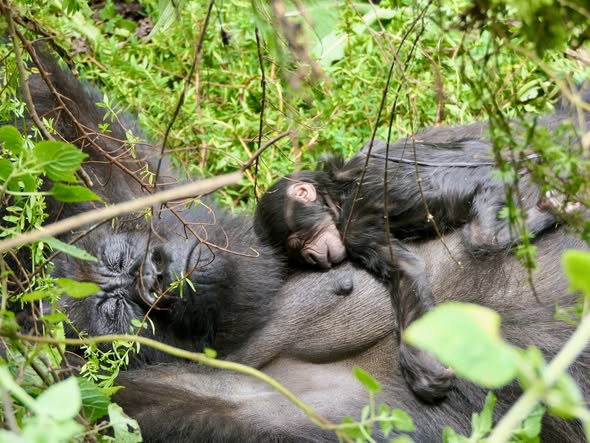
Gorilla trekking in Uganda is an unforgettable wildlife experience that allows visitors to observe endangered mountain gorillas in their natural forest habitat. The adventure takes place in Bwindi Impenetrable National Park and Mgahinga Gorilla National Park, two of Uganda’s most important conservation areas. However, spending time close to these magnificent primates comes with responsibilities. Understanding gorilla trekking rules and safety in Uganda helps protect visitors, prevent the spread of human diseases to gorillas, and ensure that these endangered animals can continue living safely in the wild.
Before entering the forest, every trekking group receives guidance from Uganda Wildlife Authority (UWA) staff. Rangers explain how to behave during the trek, what to do when gorillas approach, and how to minimise disturbance to the animals. Whether you are travelling alone, with friends, or on a family safari, preparing for these guidelines will help you enjoy a safe and responsible encounter.
Why Are Gorilla Trekking Rules Important?
Mountain gorillas are vulnerable to human disturbance and infectious diseases. Because humans and gorillas share many biological similarities, illnesses such as respiratory infections can pass between them and potentially cause serious health problems. Maintaining a safe distance, avoiding trekking when sick, and following ranger instructions help reduce these risks.
The rules also protect visitors. Gorillas are powerful wild animals, while the forest environment contains steep slopes, slippery trails and uneven ground. Rangers manage the encounter and guide visitors through these conditions. Following their instructions allows the gorillas to behave naturally while helping trekkers avoid unnecessary danger.
1. Maintain a Safe Distance from the Gorillas
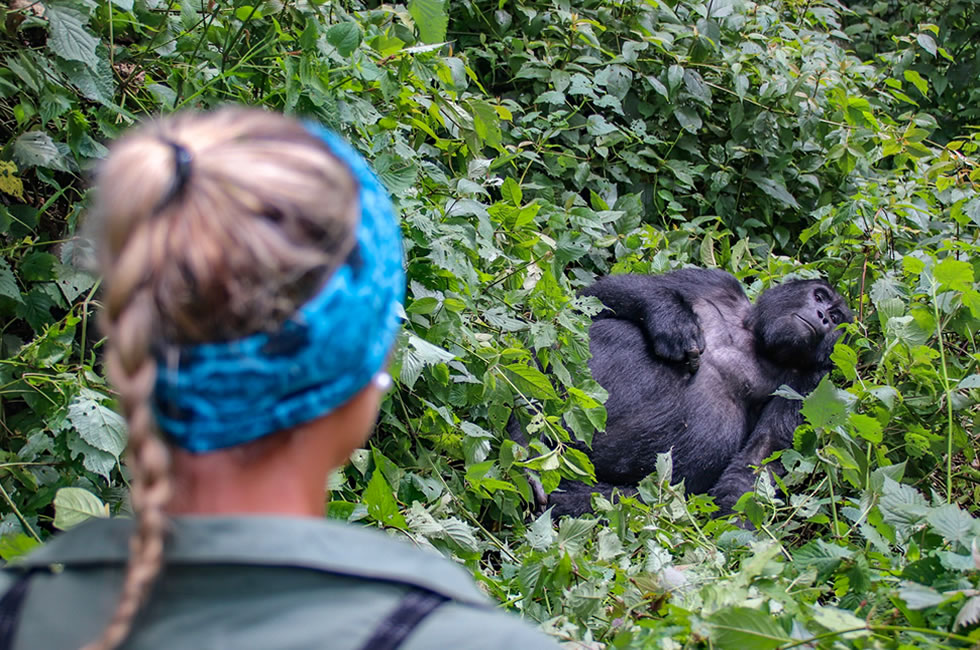
One of the most important gorilla trekking rules and safety measures in Uganda is keeping the required distance from the animals. UWA guidance commonly specifies a minimum distance of 7 metres (approximately 23 feet). Rangers may give additional instructions depending on the situation, so always follow the guidance provided during your trek.
Never approach a gorilla to take a closer photograph, touch it, or improve your viewing position. If a gorilla moves closer to your group, remain calm and follow the ranger’s directions rather than reaching towards it or attempting to move around it.
The distance rule is especially important because it reduces the risk of transmitting infections and helps prevent gorillas from feeling crowded or threatened. Responsible visitors observe the animals without interfering with their natural behaviour.
2. Do Not Go Trekking When You Are Sick
Your health is important before and during a gorilla trekking safari. If you have a cold, flu, fever, persistent cough, or another potentially infectious illness, inform your tour operator and UWA staff before the trek.
Human illnesses can pose a serious threat to mountain gorillas. Even symptoms that seem mild to a traveller may expose an entire gorilla family to infection. Park staff may prevent an unwell visitor from participating to protect the animals.
Follow any current instructions about face masks and other health precautions. If you begin feeling unwell before your trekking date, contact your safari operator promptly to discuss the appropriate next steps. Never hide symptoms simply because you have already paid for your permit.
3. Follow Your Ranger Guide’s Instructions
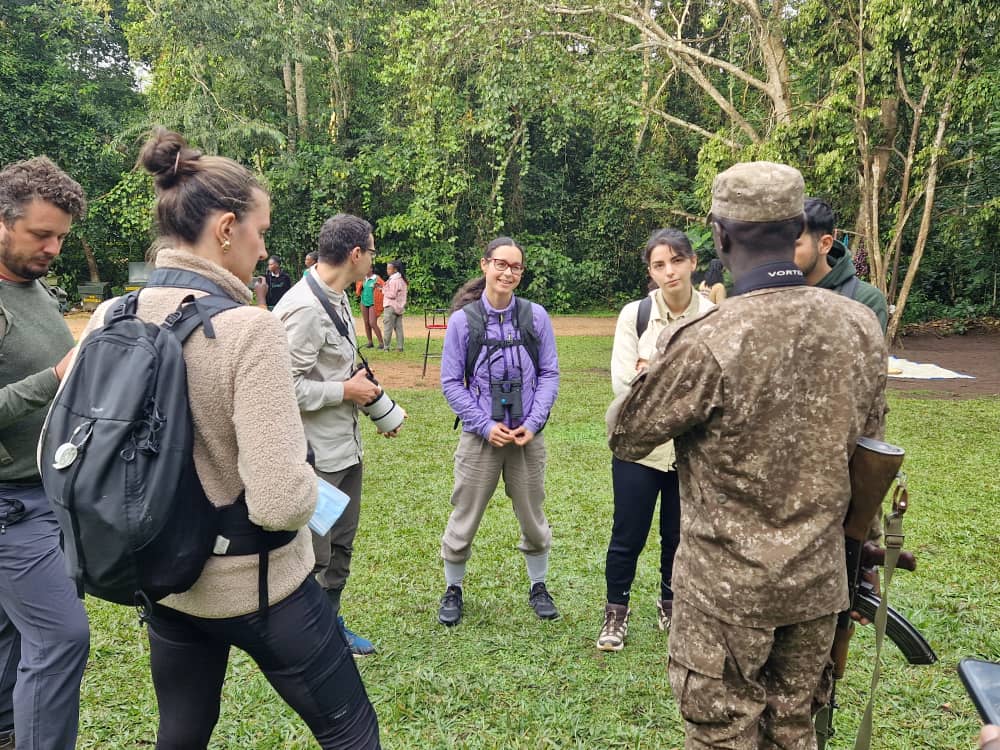
Every gorilla trekking group is accompanied by authorised guides or rangers who manage the trek and explain how visitors should behave around wildlife. Listen carefully during the morning briefing and follow instructions throughout the experience.
Stay with your assigned group and never walk alone into the forest. Do not leave the trail or attempt to locate gorillas independently. Rangers and trackers work to find the gorilla family and determine how visitors can approach the viewing area responsibly.
If your ranger asks you to stop, move back, lower your camera, or change position, cooperate immediately. Their decisions are based on the gorillas’ behaviour, the terrain and the safety of everyone present.
4. Keep Your Voice Low and Avoid Sudden Movements
Mountain gorillas are wild animals, so loud noises and sudden movements can disturb them. When observing the family, speak quietly, move slowly and avoid shouting, screaming or making unnecessary noise.
Do not crowd the gorillas or surround them to obtain different viewing angles. Stay together as directed by your guide and allow the animals enough space to move naturally.
If a gorilla looks towards you or moves nearby, remain composed. Avoid reaching out, touching the animal or making abrupt movements. Your ranger will tell you how to respond if the gorillas change position or approach the group.
5. Never Touch, Feed or Provoke a Gorilla
Although habituated mountain gorillas are accustomed to the presence of carefully managed visitor groups, they remain wild animals. Never attempt to touch, feed, chase, tease or provoke them.
Do not offer food, even if a gorilla appears interested in your belongings. Feeding wildlife can alter natural behaviour and encourage animals to approach people too closely. Keep your hands and personal belongings to yourself, and never attempt to attract a gorilla for a photograph.
You should also avoid making threatening gestures or deliberately challenging a gorilla. Respecting the animals’ space is essential to responsible gorilla tourism.
6. Observe the One-Hour Viewing Limit
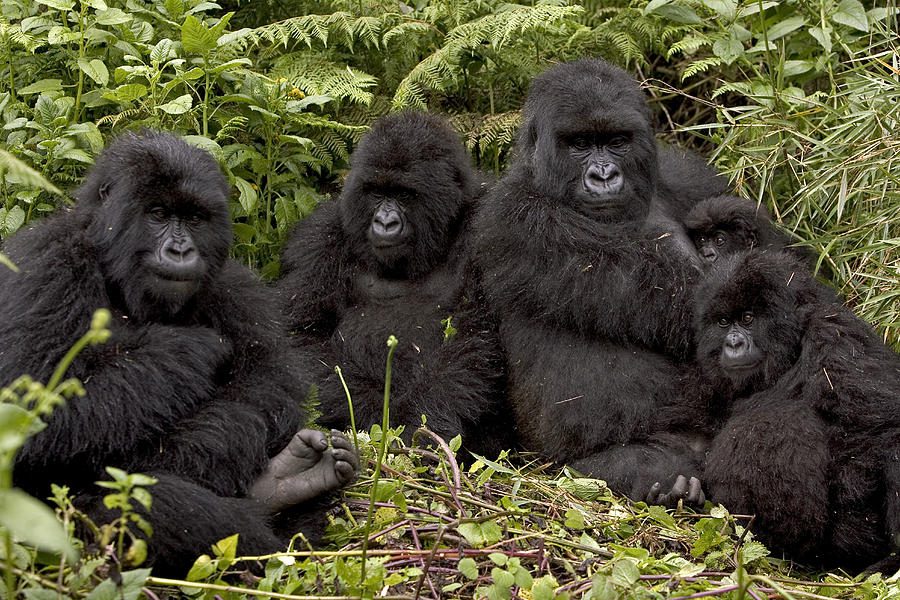
Standard gorilla trekking visits allow approximately one hour with the habituated gorilla family once the group reaches it. This limit helps reduce disturbance and manages the time visitors spend near the animals.
Use the opportunity to observe the gorillas quietly, take photographs without flash and appreciate their natural behaviour. Avoid spending the entire encounter trying to capture the perfect picture.
Your ranger controls the viewing period and may end the encounter earlier if necessary for safety or conservation reasons. Always follow their instructions, even if you feel you have not taken enough photographs.
7. Follow Photography Rules
Photography is an important part of a gorilla trekking safari, but it must never compromise the animals’ welfare.
- Do not use flash photography. Switch off your camera or phone flash before the encounter.
- Keep the required distance and never move closer to improve a photograph.
- Avoid sudden movements while handling your camera.
- Do not use loud camera sounds or other actions to attract a gorilla’s attention.
- Put your camera away when your guide instructs you to do so.
A camera with good low-light performance or a suitable zoom lens can help you capture memorable photographs without disturbing the animals. Remember that observing the gorillas respectfully is more important than obtaining a particular image.
8. Do Not Eat, Drink, Smoke or Leave Litter Near Gorillas
Eating, drinking and smoking are prohibited during the gorilla viewing encounter under the standard trekking rules. Food smells and discarded packaging can attract wildlife or introduce unwanted materials into the forest.
Carry your water and snacks for appropriate breaks before or after the encounter, following your guide’s instructions. Keep all wrappers, tissues, bottles and other waste in your bag until you can dispose of them properly.
Avoid picking flowers, breaking branches or removing plants and other natural materials. Protecting the forest helps preserve the habitat on which mountain gorillas and many other species depend.
9. Be Prepared for Forest Conditions
Gorilla trekking can involve steep slopes, muddy paths, thick vegetation and changing weather. Some treks are relatively short, while others may take several hours depending on the gorilla family’s location.
Wear sturdy hiking boots with good grip, long trousers, long-sleeved clothing and a waterproof jacket. Gardening gloves can help protect your hands when moving through vegetation, but do not use them as a reason to grab plants or disturb wildlife. A walking stick can also help on steep or slippery sections.
Carry drinking water, a small daypack and any essential personal medication. Consider hiring a porter if you need help carrying your belongings or navigating difficult terrain. Tell your guide if you feel exhausted, dizzy or unwell during the trek.
10. What Should You Do If a Gorilla Approaches or Charges?
A close encounter can feel intimidating, but the most important response is to remain calm and listen to your ranger. Do not run, scream, reach towards the gorilla or attempt to confront it.
If a gorilla approaches your group, follow the ranger’s specific instructions about remaining still or moving back slowly. If a gorilla displays threatening behaviour or makes a charge, do not take independent action based on assumptions; follow the ranger’s instructions immediately. Guides are trained to manage these encounters and understand the behaviour of the animals they track.
Never try to separate a gorilla from its family, stand between individuals, or block the animal’s path. Keep your movements controlled and let the ranger direct the group. Following instructions is safer than attempting to predict what the gorilla will do next.
11. Know the Age Limit and Group Rules
In Uganda, the minimum age for standard gorilla trekking is generally 15 years. This restriction helps ensure visitors can understand and follow the rules and manage the physical demands of the trek.
Standard visits are also limited to a maximum of eight visitors per habituated gorilla family, subject to the applicable UWA rules and arrangements. Smaller groups help limit disturbance and reduce pressure on the animals and their habitat.
If you are planning a family safari, confirm the age requirements and permit arrangements before booking. Your tour operator can help you choose suitable activities for younger children who do not meet the trekking age limit.
12. Respect the Forest and Other Wildlife
Bwindi and Mgahinga are important habitats for many species beyond mountain gorillas. During your trek, you may encounter birds, monkeys, insects and other wildlife. Observe them from a respectful distance and never attempt to handle or feed them.
Do not wander away from your guide, enter restricted areas or leave designated routes without permission. If you need a toilet break, tell your guide and follow the park’s sanitation instructions; where directed, human waste must be buried appropriately.
Responsible trekking means leaving the forest as you found it and helping protect Uganda’s wildlife for future generations.
Frequently Asked Questions About Gorilla Trekking Rules and Safety in Uganda
Is gorilla trekking safe in Uganda?
Gorilla trekking is a regulated wildlife activity led by trained guides and rangers. Although encounters with wild animals and challenging forest terrain carry some risk, following the rules, preparing physically and listening to your guide help reduce avoidable dangers.
How close can I get to mountain gorillas?
UWA guidance commonly specifies a minimum distance of 7 metres. However, gorillas may sometimes move closer themselves. If this happens, remain calm and follow your ranger’s instructions.
Can I go gorilla trekking if I have a cold?
You should not attempt to trek while experiencing symptoms of a potentially infectious illness. Inform your tour operator and park staff, who can advise you according to current health and access rules.
Can I take pictures of gorillas?
Yes. Photography is generally allowed, but flash photography is prohibited. Keep the required distance, avoid disturbing the animals and follow your ranger’s directions.
How long can I stay with the gorillas?
A standard gorilla trekking encounter allows approximately one hour with the habituated family. Rangers may shorten the visit if necessary for conservation or safety reasons.
Which parks offer gorilla trekking in Uganda?
Gorilla trekking takes place in Bwindi Impenetrable National Park and Mgahinga Gorilla National Park. Your permit and safari arrangements determine where you will trek.
Conclusion: Enjoy a Safe and Responsible Gorilla Trekking Safari
Understanding gorilla trekking rules and safety in Uganda helps make your wildlife adventure rewarding while protecting endangered mountain gorillas. Maintaining the required distance, avoiding trekking when sick, respecting photography restrictions, keeping quiet and following ranger instructions are among the most important responsibilities for every visitor.
At Destination Uganda Gorillas, we can help you plan your gorilla trekking safari, arrange permit booking assistance, choose suitable accommodation and organise transport to Bwindi or Mgahinga. Contact our team to plan your Ugandan gorilla adventure with preparation, respect for wildlife and responsible travel in mind.