
Preparing for a gorilla trekking adventure is an important part of planning a successful Uganda safari adventure. Knowing what to pack for gorilla trekking in Uganda helps you stay comfortable, protect yourself from changing forest conditions and enjoy your encounter with mountain gorillas without unnecessary difficulties.
Uganda's main gorilla trekking destinations, Bwindi Impenetrable National Park and Mgahinga Gorilla National Park, feature thick forests, steep slopes, muddy trails and unpredictable weather. Even during relatively dry months, rain can occur, and some treks involve several hours of walking through challenging terrain.
Packing the right clothing, sturdy hiking boots, rain protection, drinking water and a few essential accessories can make a considerable difference. You should also prepare your travel documents, personal medication, camera equipment and other items you may need before and during the trek.
At Destination Uganda Gorillas, we want travellers to arrive prepared for their gorilla trekking experience. This guide explains what to bring, what to wear, what to leave behind and how to organise your packing list for a comfortable safari in Uganda.
1. Sturdy Hiking Boots
Hiking boots are among the most important items to pack for gorilla trekking in Uganda. The forest trails can be steep, uneven, slippery and muddy, so you need footwear that provides reliable grip and ankle support.
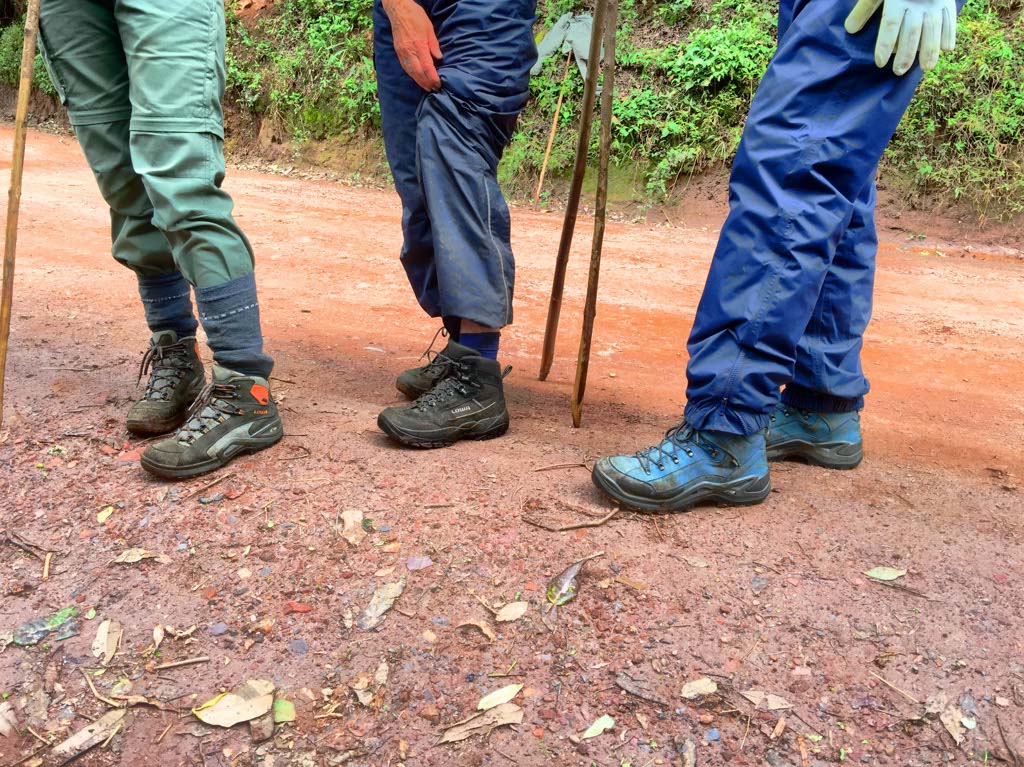
Choose waterproof or water-resistant hiking boots with sturdy soles and good traction. Boots that protect your ankles can be particularly helpful when walking over exposed roots, rocks and uneven ground.
Before your trip, wear your boots on several walks to ensure they fit comfortably. New boots that have not been broken in may cause blisters during a long trek.
Pack a comfortable pair of socks suitable for hiking, preferably moisture-wicking socks that help reduce friction and keep your feet more comfortable.
Packing tip: Avoid relying on ordinary trainers or open sandals for the main trek. They generally provide less protection and traction on muddy forest trails.
2. Long-Sleeved Shirts and Trousers
Long-sleeved shirts and long trousers are recommended for gorilla safaris in Uganda because they help protect your skin from scratches, stinging plants, insects and rough vegetation.
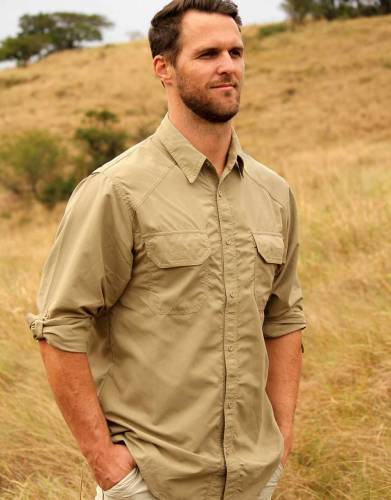
Choose lightweight, breathable clothing that allows you to move freely while walking uphill and through dense forest. Quick-drying fabrics can be useful because you may encounter rain, sweat or damp vegetation.
Neutral colours such as green, brown, khaki and other natural shades are practical for forest environments. Avoid clothing that is too tight or restrictive, as you may need to climb over roots or navigate uneven ground.
Consider packing at least two suitable trekking outfits if your safari includes several days of outdoor activities. This gives you a dry change of clothes if one outfit becomes wet or muddy.
3. A Waterproof Rain Jacket or Poncho
Rain protection is essential when deciding what to pack for gorilla trekking in Uganda. Bwindi and Mgahinga are forested mountain environments where rainfall can occur throughout the year, including during periods that are generally considered drier.
A lightweight waterproof jacket is a practical choice because it protects you from rain without adding too much weight to your daypack.
Look for a jacket with a hood, breathable material and enough room to fit over your trekking clothes. Waterproof trousers may also be useful during wetter months or for travellers who prefer extra protection.
A poncho can provide additional coverage, although it may be less convenient when moving through thick vegetation.
Keep your rain jacket somewhere easy to reach rather than burying it at the bottom of your bag.
4. Gardening Gloves or Lightweight Trekking Gloves
A pair of durable gloves can help protect your hands when moving through thick vegetation or using branches for balance on difficult sections of the trail.
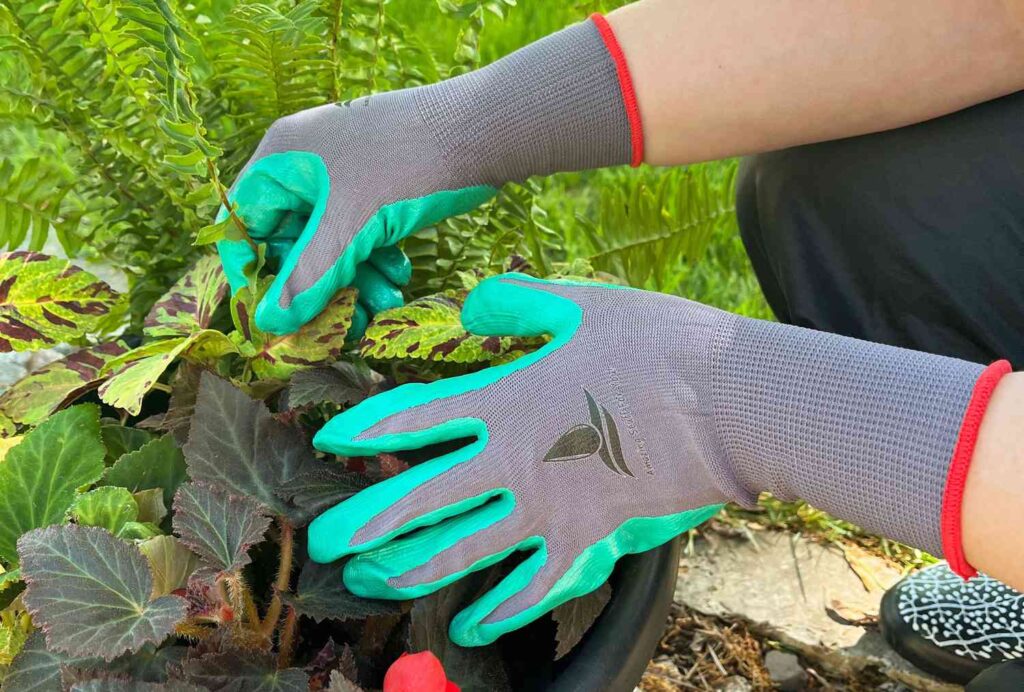
Some travellers prefer lightweight gardening gloves with a comfortable grip and good flexibility. They can be useful when you encounter rough plants, vines or muddy sections where you need to steady yourself.
Choose gloves that fit securely and allow you to move your fingers comfortably. Very thick gloves may become uncomfortable in warm conditions.
Follow your ranger's instructions when navigating vegetation. Do not pull plants unnecessarily or use protected vegetation in a way that could damage the forest.
5. A Comfortable Daypack
A small, comfortable daypack is useful for carrying the essentials you need during the trek. Choose a bag that fits securely, distributes weight evenly and does not interfere with your movement.
Your daypack should be large enough for water, snacks if permitted, a rain jacket, personal medication, a camera and other small essentials.
A waterproof backpack is helpful, but you can also use a rain cover or waterproof dry bags to protect your belongings.
Avoid carrying unnecessary items. A heavy bag can become tiring during a long walk, especially on steep forest trails.
Before leaving your lodge, check that your bag is comfortable and that frequently used items are easy to reach.
6. Drinking Water and Reusable Water Bottles
Gorilla trekking can involve several hours of physical activity, so adequate hydration is important.
Carry enough drinking water for the expected duration of your trek. The quantity you need depends on the weather, your activity level and your personal requirements.
A reusable water bottle or hydration bladder can make drinking easier while walking. Keep it somewhere accessible in your daypack.
Ask your safari operator or lodge about water refill options and whether your planned trek includes any opportunities to refill your bottle. Do not assume that safe drinking water will be available along the trail.
Drink regularly rather than waiting until you feel very thirsty. If you have specific hydration requirements, plan accordingly.
7. Snacks and Energy-Giving Foods
Depending on the trek arrangements, a small supply of snacks can be helpful when spending several hours walking through the forest.
Suitable options may include energy bars, nuts, dried fruit or other compact foods that are easy to carry. Check with your guide before taking food into the protected area, and follow all park rules about eating and waste disposal.
Avoid carrying excessive packaging, and never leave food wrappers or other rubbish in the forest.
If your lodge provides a packed breakfast or lunch for your trekking day, confirm the arrangements in advance. Some travellers may also need snacks for the road journey to the park.
8. Sunscreen, Sunglasses and a Hat
Although gorilla trekking takes place in forest environments, parts of your journey may involve open areas, exposed ridges or travel in strong sunshine.
Pack sunscreen suitable for your skin, sunglasses and a lightweight hat for protection during transfers and outdoor activities.
Apply sunscreen before setting off, particularly if you will spend time travelling or walking in exposed areas. Sunglasses can also be useful during road journeys and other safari activities.
Choose a hat that fits comfortably and can be secured in windy conditions. You may not need to wear it throughout the forest trek, but it can be useful before and after entering dense vegetation.
9. Insect Repellent
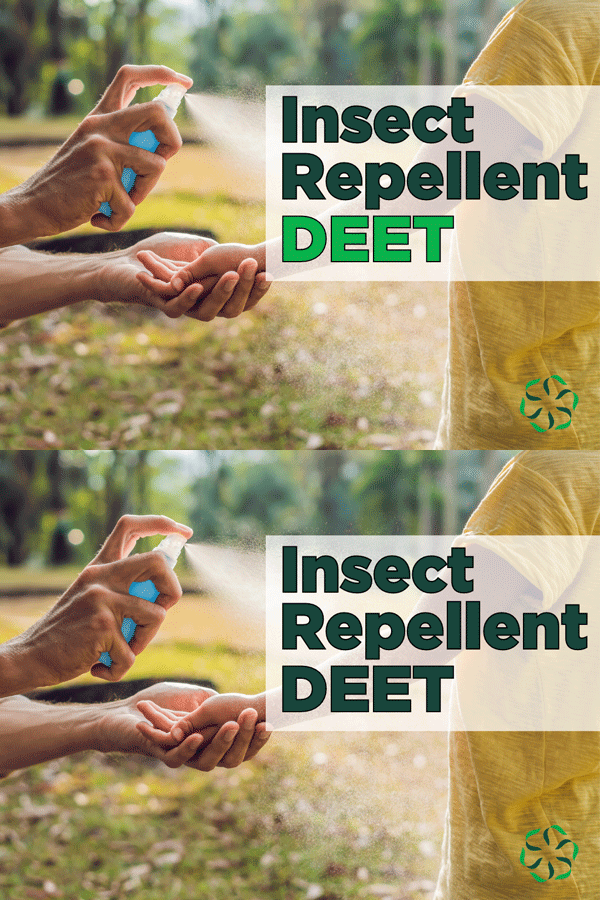
Insect repellent can help reduce mosquito bites and other insect nuisance during your Uganda safari.
Choose a product suitable for your needs and follow its instructions for use. If you use sunscreen as well, check the product guidance for the correct application order.
Long sleeves, long trousers and socks provide an additional physical barrier against insects.
Remember that insect repellent does not replace medical advice about malaria prevention or other travel health precautions. Consult a qualified healthcare professional or travel clinic before your trip to discuss destination-specific health recommendations.
10. Personal Medication and a Small First-Aid Kit
Pack any personal medication you need for the duration of your safari, along with a little extra in case of travel delays.
Keep medicines in their original packaging where practical and carry essential prescriptions in your hand luggage. If you have a medical condition that may affect your ability to trek, discuss the planned activity with a healthcare professional before travelling.
A small personal first-aid kit may include blister plasters, adhesive bandages, antiseptic wipes and any other basic supplies appropriate for your needs.
If you regularly experience motion sickness, headaches or allergies, ask a healthcare professional which products are suitable for you.
Your guide may carry emergency equipment, but you should not assume that it will include your personal medication or every item you might need.
11. Camera, Smartphone and Extra Batteries
Gorilla trekking is a memorable wildlife experience, and many travellers want to take photographs of the gorillas and the surrounding forest.
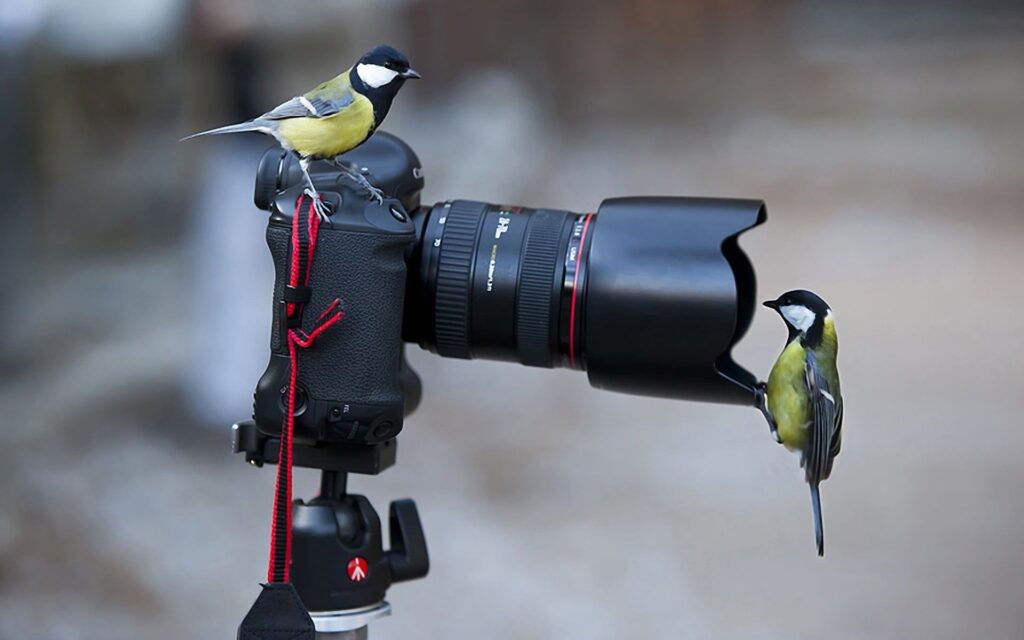
You can bring a smartphone, compact camera or DSLR, depending on your preferences. A camera with a useful zoom range can help you capture photographs without needing to approach the animals.
Pack spare batteries or a fully charged power bank if your equipment supports it. Forest conditions may make it difficult to find convenient charging facilities during the day.
A protective camera bag or waterproof cover can help shield your equipment from rain and damp conditions.
Photography Etiquette During Gorilla Trekking
Follow your ranger's instructions at all times. Do not use flash photography, approach gorillas independently or move closer to obtain a better photograph.
Your safety and the welfare of the gorillas must come before photography. Keep your equipment secure and avoid sudden movements that could disturb the animals.
12. Binoculars and Other Useful Accessories
Binoculars are optional rather than essential for gorilla trekking, but some travellers find them useful during other wildlife activities on their Uganda safari.
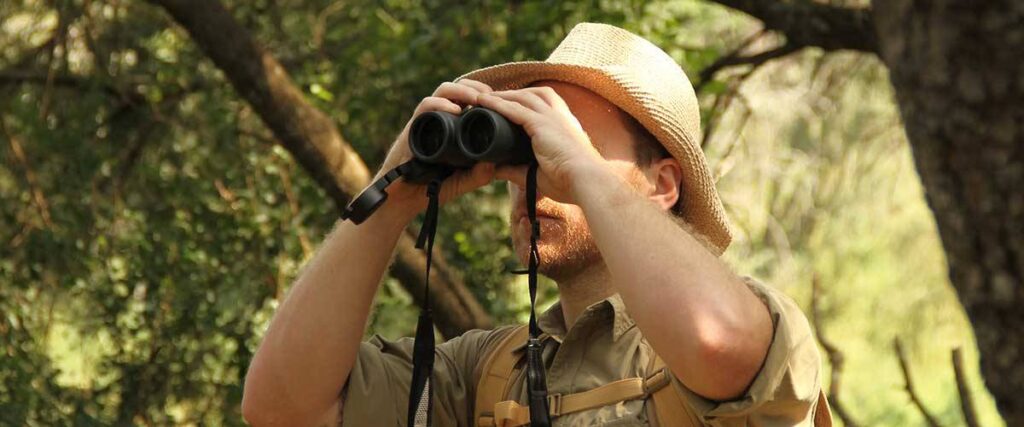
If you are combining gorilla trekking with birdwatching or a game drive, a compact pair of binoculars can improve your wildlife-viewing experience.
Other useful accessories include:
- A small flashlight or headlamp for use around your lodge.
- Waterproof bags for electronic devices and important documents.
- A lightweight towel or spare clothing for changing after a wet trek.
- A walking stick, if needed and available through your lodge or guide.
- A small amount of cash for personal expenses, porter services and tips.
Keep accessories to a practical minimum. Your daypack should remain light enough to carry comfortably for several hours.
13. Travel Documents and Gorilla Trekking Permit Confirmation
Before leaving your accommodation, make sure your essential travel documents are organised and accessible.
Depending on your itinerary, these may include:
- A valid passport and any required entry documents.
- Your gorilla permit booking confirmation.
- Your safari itinerary and accommodation details.
- Travel insurance information and emergency contacts.
- Flight details or other transport confirmations.
- Any relevant medical information you may need to access while travelling.
Confirm with your safari operator which original documents or identification are required for permit verification and park registration.
Keep digital copies of important documents securely accessible, but do not rely exclusively on your phone in case its battery runs low or there is no network connection.
14. Cash, Bank Cards and Small Personal Expenses
It is useful to carry some cash for expenses that may not be covered by your safari package.
You may want money for porter services, discretionary tips, souvenirs, drinks or purchases from local businesses.
Ugandan shillings are useful for many local transactions. Some safari operators and accommodation providers may accept other payment methods, but availability varies.
Ask your operator which payments have already been covered and which expenses you should expect to pay separately.
Keep cash and bank cards secure, and avoid carrying more money than you need during the trek itself.
15. What Should You Wear on Gorilla Trekking Day?
Your trekking outfit should prioritise protection, comfort and freedom of movement.
A practical outfit includes:
- A long-sleeved trekking shirt.
- Long, comfortable hiking trousers.
- Sturdy hiking boots with good grip.
- Hiking socks that fit well.
- Lightweight gloves.
- A waterproof jacket or rain protection.
- A comfortable daypack.
Some travellers tuck their trouser cuffs into their socks to reduce the chance of insects entering their clothing. You can also ask your guide for practical advice about clothing and local trail conditions.
Choose clothing suitable for changing temperatures and physical activity. The forest may feel cool and damp in the morning, while the trek itself can become warm and strenuous.
Avoid wearing your best clothes, as mud and rain can make them dirty quickly.
16. What Not to Pack for Gorilla Trekking
Packing wisely also means leaving unnecessary or unsuitable items behind.
Avoid bringing:
- Heavy luggage on the trek itself.
- Open sandals or unsuitable footwear for forest trails.
- Excessive valuables and unnecessary jewellery.
- Strongly scented products that you do not need.
- Single-use plastic items that create avoidable waste.
- Unnecessary food or items that violate park rules.
- Flash photography equipment intended for use around gorillas.
Weapons, prohibited substances and other restricted items must never be brought into protected areas. Follow official park regulations and the instructions of your guide.
Your main trekking bag should contain only the items you need for the day. Larger luggage can generally remain at your lodge or be handled by your safari operator.
17. Does the Packing List Differ Between Bwindi and Mgahinga?
The essential packing list is broadly similar for both destinations because they are mountainous forest environments where rain, mud and uneven trails are common.
However, the terrain, weather and length of an individual trek can vary. Your assigned gorilla family, the starting sector, the time of year and the conditions on the day all influence what you may need.
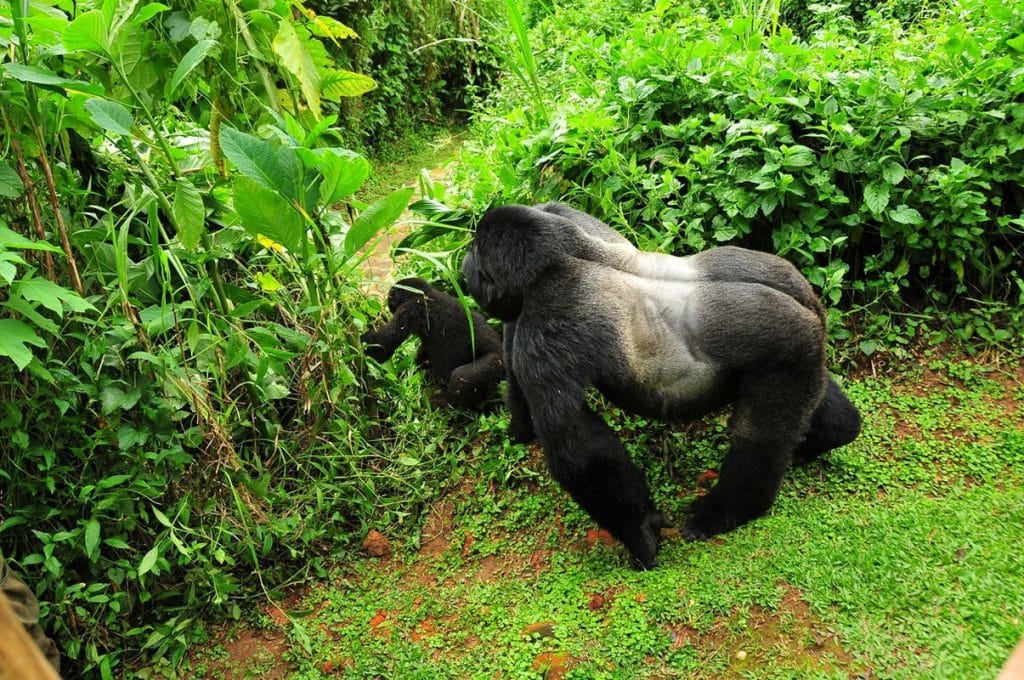
Packing for Bwindi Impenetrable National Park
Bwindi's dense rainforest and steep terrain make good hiking boots, long clothing and rain protection particularly important. The four main trekking sectors—Buhoma, Ruhija, Rushaga and Nkuringo—can offer different access routes and trekking conditions.
Ask your lodge or safari operator for advice about the specific sector where your trek will take place.
Packing for Mgahinga Gorilla National Park
Mgahinga is part of the Virunga volcanic landscape, with forested slopes and mountainous terrain. The trek may involve steep sections and changing weather, so sturdy footwear, suitable clothing, water and rain protection remain important.
If you are combining gorilla trekking with golden monkey tracking or other outdoor activities, check whether you need additional clothing or equipment for your itinerary.
18. How to Prepare Your Packing List Before Travelling
Preparing your packing list several days before departure helps you identify missing items and avoid last-minute purchases.
Start by checking the weather forecast, reviewing your safari itinerary and confirming the expected duration of your trek. Then organise your clothing, footwear, documents and personal supplies.
Try on your hiking boots and test your daypack before travelling. Make sure your rain jacket fits comfortably and that your camera, phone and other electronic devices are working properly.
If your itinerary includes several nights in southwestern Uganda, pack enough clothing for the trip while keeping your luggage manageable. Laundry services may be available at some lodges, but you should confirm this in advance.
Finally, contact your safari operator if you have questions about porter arrangements, walking sticks, packed meals or other equipment.
19. Essential Gorilla Trekking Packing Checklist
Use this checklist when preparing for your gorilla trekking safari in Uganda.
Clothing and footwear
- Sturdy hiking boots.
- Comfortable hiking socks.
- Long-sleeved shirts.
- Long hiking trousers.
- Waterproof jacket or poncho.
- Lightweight trekking gloves.
- Spare clothing.
Trekking essentials
- Comfortable daypack.
- Drinking water.
- Snacks, where permitted.
- Sunscreen.
- Insect repellent.
- Personal medication.
- Small first-aid kit.
- Walking stick, if needed.
Documents and valuables
- Passport and required travel documents.
- Gorilla permit confirmation.
- Safari itinerary.
- Travel insurance details.
- Cash and bank card.
- Emergency contact information.
Electronics and accessories
- Smartphone or camera.
- Spare batteries or power bank.
- Waterproof bags.
- Binoculars, if desired.
- Flashlight or headlamp.
You do not need every optional accessory on this list. Focus on the items that match your itinerary, health needs and personal preferences.
Plan Your Gorilla Trekking Safari with Destination Uganda Gorillas
Knowing what to pack for gorilla trekking in Uganda is an important part of preparing for your adventure, but a successful trip also depends on choosing the right trekking destination, securing your permit and arranging suitable accommodation and transport.
At Destination Uganda Gorillas, we help travellers plan gorilla trekking experiences in Bwindi Impenetrable National Park and Mgahinga Gorilla National Park. We can assist with permit arrangements, accommodation options, transport and personalised safari itineraries based on your travel dates, budget and interests.
Whether you are planning a short gorilla trekking trip or a longer Uganda wildlife safari, we can help you organise the essential arrangements before you arrive.
Ready to plan your gorilla trekking adventure? Explore our Uganda gorilla safari packages or contact Destination Uganda Gorillas for help planning your trip.
Frequently Asked Questions
What is the most important thing to pack for gorilla trekking in Uganda?
Sturdy hiking boots are among the most important items because forest trails can be steep, muddy and slippery. Rain protection, long clothing, drinking water and your required travel documents are also essential.
Do I need waterproof clothing for gorilla trekking?
Yes, waterproof clothing is strongly recommended. Rain can occur at any time in Bwindi and Mgahinga, and a lightweight waterproof jacket helps keep you comfortable during the trek.
Can I wear jeans for gorilla trekking?
You can wear jeans, but lightweight hiking trousers are generally more practical. They dry more quickly, allow easier movement and tend to be more comfortable when walking through wet forest terrain.
Do I need gardening gloves for gorilla trekking?
Gloves are useful for protecting your hands when moving through thick vegetation or steadying yourself on rough sections of the trail. Lightweight gardening or trekking gloves are suitable options.
How much water should I carry for gorilla trekking?
The amount depends on the weather, your physical needs and the expected duration of the trek. Carry sufficient drinking water for several hours of activity and follow your guide's advice.
Can I take photographs of mountain gorillas?
Yes, visitors can generally take photographs while following park rules and ranger instructions. Flash photography is not permitted, and you must maintain the required distance from the gorillas.
Do I need binoculars for gorilla trekking?
No. Binoculars are optional because the gorillas are observed at the distance required by park guidelines. They may be more useful if your safari also includes birdwatching or other wildlife activities.
Should I hire a porter for gorilla trekking?
Hiring a porter is optional, but it can be helpful if you want assistance carrying your bag or navigating a physically demanding trek. Porter services can also support local livelihoods.
Is the packing list the same for Bwindi and Mgahinga?
The main essentials are similar for both parks. However, terrain, weather and trekking duration vary, so confirm the specific requirements for your assigned trekking location.
When should I prepare my gorilla trekking packing list?
Prepare your list several days before departure so you have time to obtain suitable boots, rain protection, personal medication and other essentials. Check the weather and confirm your itinerary before finalising your luggage.
To book a gorilla safari in Uganda today with Rwonyo Wild Adventures- simply contact us now by sending an email to info@destinationugandagorillas.com or call us now on +256-778761206 to speak with reservations team.