
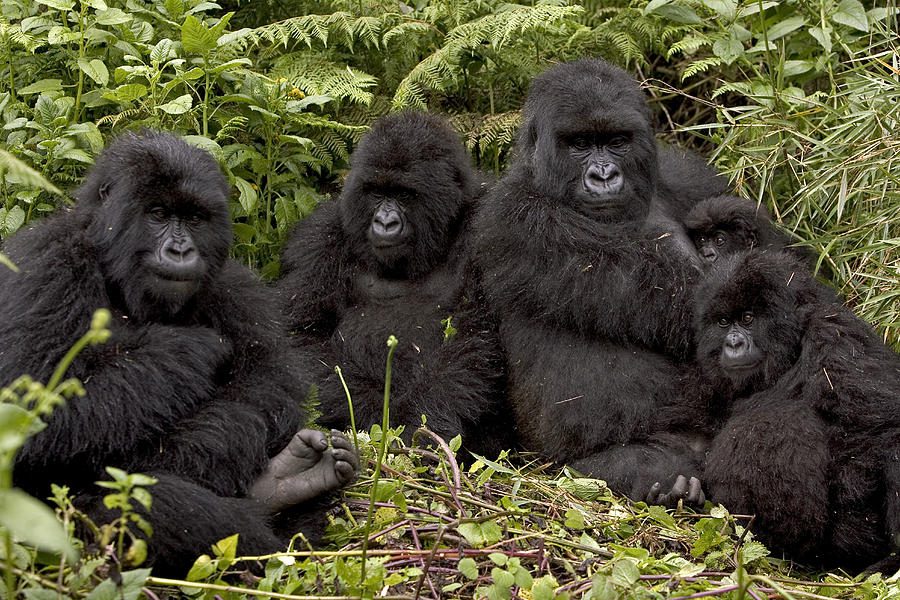
Standing a few metres from a mountain gorilla family, watching a silverback chew bamboo while infants tumble through the undergrowth, is one of the great wildlife experiences on Earth. Uganda is home to around half of the world's remaining mountain gorillas, and trekking is possible every day of the year.
But the conditions you face on the trail, the price you pay and the ease of getting there all change with the seasons. This guide explains the best time to visit Uganda for gorilla trekking, so you can pick the window that suits your budget, fitness and travel style.
The Short Answer
For the easiest trekking, the best time to visit Uganda for gorilla trekking is during the dry seasons:
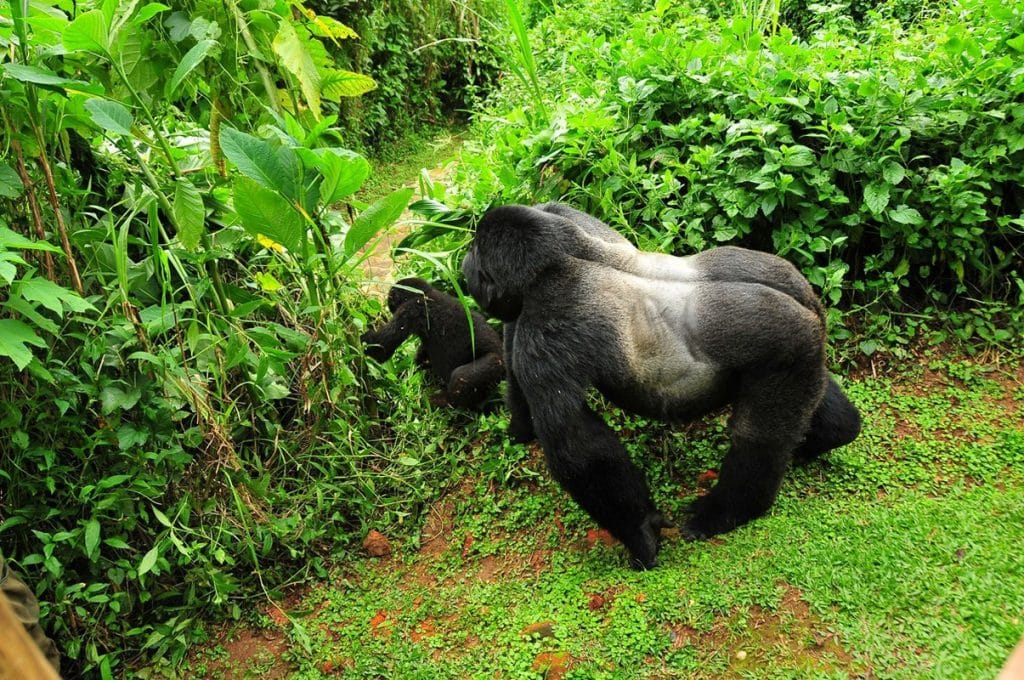
- June to September (the longer, most popular dry season)
- December to February (the shorter dry season)
For lower prices and fewer visitors, the wet months of March to May and October to November can be excellent value, provided you are prepared for mud and rain.
The gorillas live in high-altitude rainforest, so rain can fall at any time of year, even in the "dry" months. Think of the seasons as shifting the odds, not guaranteeing the weather.
Understanding Uganda's Seasons
Uganda sits on the equator, so it has no winter or summer. Instead it has two rainy seasons and two drier seasons:
| Period | Season | General conditions |
|---|---|---|
| December to February | Dry | Warm, mostly sunny, easier trails |
| March to May | Wet | Heavy rain, lush green forest |
| June to September | Dry | Cooler, driest and most reliable |
| October to November | Wet | Frequent showers, quieter parks |
Rainfall varies from year to year, and the forests around Bwindi and Mgahinga are among the wettest parts of the country.
Trekking in the Dry Season
Why it is popular:
- Easier trails. Paths are firmer and less slippery, which makes steep climbs safer and more comfortable.
- Better access. Roads to the Bwindi sectors, some of which are steep and unpaved, are generally easier to drive.
- Clearer views and photos. There is a better chance of sunshine breaking through the canopy and clearer conditions for photography.
- More comfortable hikes. You will spend less time soaked through and less time worrying about gear.
The trade-offs:
- Higher demand. Permits and lodges are in greater demand, particularly from June to September, so you will need to book early.
- Higher prices. Lodges and operators often charge peak-season rates.
- Dust on the road. Dry, dusty roads can make long drives less comfortable.
Trekking in the Wet Season
Why it can be a smart choice:
- Lower costs. A reduced low-season gorilla permit rate has been reported for foreign non-residents in certain months, typically April, May and November. Lodges also often offer discounts. Always confirm current rates with your operator or the Uganda Wildlife Authority.
- Fewer visitors. Parks are quieter and permits are easier to find at short notice.
- Lush scenery. The forest is at its greenest, and the landscape around Bwindi and Lake Bunyonyi looks spectacular.
- Gorillas may stay closer. In wetter periods, food is plentiful at lower altitudes, so gorilla families can sometimes be easier to reach. This is not guaranteed, as gorillas move freely.
The trade-offs:
- Muddy, slippery trails. The hike can be tougher and slower, so a walking stick and good boots are essential.
- Tricky roads. Access routes can become slick and difficult, especially for vehicles without good ground clearance.
- Wet weather. Rain can last for hours and you will be damp even in waterproofs. Photography can be more challenging.
Month-by-Month Guide
December to February: A reliable dry window with warm weather. This is also a busy holiday period, so book permits and lodges well in advance.
March: Rains begin. Some days are clear, but expect heavier showers and soft trails.
April and May: The wettest months and the quietest. Good value for travellers who accept the mud, with the lowest prices of the year.
June to September: The driest, most dependable stretch of the year and the peak season for gorilla trekking. July and August are the busiest.
October: Rains return, with mixed conditions. A good shoulder month with fewer crowds.
November: Wet and quiet, with low-season savings. Pack for rain and enjoy peaceful trails.
Which Season Is Best for You?
If you want comfort and ease: Choose June to September or December to February.
If you want to save money: Aim for April, May or November, and check the current low-season permit rate.
If you want photography with fewer crowds: Consider the shoulder months of early June, late September or early March, when conditions can be good and visitor numbers are lower.
If you are less fit or travelling with older family members: The dry season will make the hike more manageable, and you can hire a porter for extra support.
How the Season Affects Your Travel Plans
Book permits early. Gorilla permits are limited per family per day, and they sell out quickly in peak months. For June to September and December to February, book several months ahead if you can.
Allow for road conditions. The journey from Kampala to Bwindi is long, often 8 to 10 hours, and the final stretch can be rough. In the wet season, add extra time and consider breaking the journey with an overnight stop.
Choose the right vehicle. A 4x4 is strongly recommended year-round, and essential in the wet season. Good ground clearance and traction make the roads safer and the trip more comfortable.
Plan your sector. Bwindi is divided into four trekking sectors (Buhoma, Ruhija, Rushaga and Nkuringo), and Mgahinga is a separate park. Some sectors have steeper terrain and rougher access roads, which matters more in the rain.
What to Pack, Whatever the Season
- Sturdy, waterproof hiking boots with good grip
- Lightweight waterproof jacket and rain cover for your bag
- Long-sleeved shirt and trousers to protect against nettles and insects
- Gardening gloves for gripping vegetation
- Insect repellent and sunscreen
- A walking stick (often available at the trailhead)
- A porter, which helps the local community and makes the trek much easier
Gorilla Trekking Rules to Remember
- Children must generally be at least 15 years old.
- Visitors with a cold, flu or other contagious illness may be turned away to protect the gorillas.
- Groups are small, and you usually spend one hour with the gorillas once you find them.
- Keep a safe distance and follow your ranger-guide's instructions.
Frequently Asked Questions
What is the best month for gorilla trekking in Uganda?
July and August are popular for their dry conditions, while June, September, January and February are also excellent choices.
Can you trek gorillas in the rainy season?
Yes. Trekking continues all year. Expect muddy trails, but also lower prices, fewer visitors and lush scenery.
Is it cheaper to trek gorillas in the low season?
Often, yes. A discounted permit rate has been reported for certain low-season months, and lodges also tend to lower their prices. Check the latest rates before booking.
How far ahead should I book?
For peak dry months, several months in advance is wise. For the low season, you can often book closer to your travel date.
How hard is gorilla trekking?
The trek can last from one to several hours each way, depending on where the gorillas are. It can be steep and muddy, so moderate fitness helps.
Do I need a 4x4 to reach Bwindi?
It is strongly recommended, particularly in the rainy season.
Plan Your Gorilla Trek with Rwonyo Wild Adventures
Choosing the right season is only half the journey. At Rwonyo Wild Adventures, we help travellers plan gorilla safaris that fit their dates, budget and comfort level, with the right timing, the right route and the right support on the ground. Whatever season you choose, we will help you get to the forest safely and make the most of your time with the gorillas.
Ready to plan your gorilla trek? Contact Rwonyo Wild Adventures today for a tailored quote and expert advice on the best time for your trip. You can as well send an email to info@destinationugandagorillas.com or call us on +256-778761206.